

The Amazing Natural Substance that treats Depression and Anxiety
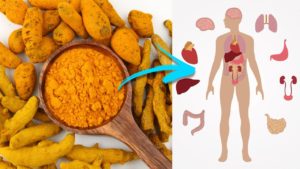
Turmeric is a natural substance to treat anxiety and depression.
The Amazing Natural Substance that treats Depression and Anxiety
Want to manage anxiety and depression as well as double down on a dose of wellness? We have one incredible natural health, food substance to report to you. Turmeric is a rhizome and a member of the ginger family. Turmeric a major ingredient of Indian curries and has also been used to dye clothing throughout history, due to its vivid yellow color. The scientific community continues to research its uses as a healing substance, specifically trying to gauge the mechanism of action and effectiveness of the active substance, curcumin.
Curcumin is known as the most active ingredient in turmeric and continues to intrigue the medical community with its ability to providing relief for symptoms like depression and anxiety. According to a recent metanalysis funded by The National Institute of Health, curcumin was shown to be safe and effective in reducing symptoms of depression (Hewlings, 2017). That study recommended that while there are some conclusive therapeutic effects in treating depression, more research should be done to determine it’s clinical role in the treatment of anxiety.
Turmeric entered the clinical limelight when researches wanted to investigate the differences in cancer rates between westerners and some eastern and Indian populations. Ayurveda and Traditional Chinese Medicine have used these plants for thousands of years. Natural and holistic health options find ways to use the medicinal properties of commonly used foods to enhance well-
being. Some common ways of administering them are by grinding them into a fine powder, then using it topically as a salve or ingesting them to treat multiple ailments ranging from skin lesions to memory enhancement.
While the mechanisms of Turmeric’s health and wellness benefits are not completely understood, it is believed that curcumins ability to reduce inflammation, is one of the major health enhancing properties which can affect the brain, cancer, lupus, and renal disease. Curcumins also have other functions in addition to reducing symptoms of depression, it benefits the entire body and can be used as protection from liver toxic substances, to manage Crohn’s disease, reduce symptoms related to irritable bowel syndrome to name a few (Gupta, 2013). In addition to reducing symptoms, this amazing root is reported to also enhance post work out recovery, (Hewlings, 2017. ) Turmeric is not a replacement for pharmaceuticals treating depression. Patients should still seek advice from medical professionals since other medical conditions need to be ruled out. Nor does it replace the benefits of managing the symptoms of depression or anxiety by getting counseling. Rather, it viewed as complementary to current therapeutic options.
The beneficial effects of turmeric on health is dose-dependent. It is not sufficient to heap an extra serving of curry at your favorite Indian restaurant in hopes of healing the brain and body. The clinically relevant dose of turmeric is upwards 600 mg several times per day. We recommend that the reader consult with a clinical Herbalist or Nutritionist to assess the appropriate regimen to manage the symptoms that you aim to address. Most sources recommend turmeric in capsule form to standardize the dosage. Some also enjoy turmeric in a latte or smoothie for added tasting pleasure. There is also some research being done about whether it may be further beneficial to use turmeric as an accompaniment to black pepper and some other fats like coconut milk, which are known to allow greater absorption of the active compounds. With no known side effects and so much to gain, curcumin seems like a great place to start if you want neuro-protective and physically benefits all in one delicious root!
The Counseling and Wellness Center of Pittsburgh
830 Western Avenue Pittsburgh Pa 15233
2539 Monroeville Blvd, Monroeville Pa 15146
Be Well Pittsburgh!
- Gupta, S. C., Patchva, S., & Aggarwal, B. B. (2013). Therapeutic Roles of Curcumin: Lessons Learned from Clinical Trials. The AAPS Journal, 15(1), 195–218. http://doi.org/10.1208/s12248-012-9432-8
- Hewlings, S. J., & Kalman, D. S. (2017). Curcumin: A Review of Its’ Effects on Human Health. Foods, 6(10), 92. http://doi.org/10.3390/foods6100092
- Lopresti AL, Drummond PD (2017) Efficacy of curcumin, and a saffron/curcumin combination for the treatment of major depression: A randomized, double-blind, placebo-controlled study. J Affect Disord.
cancer curing food certified nutritionist pittsburgh complementary medicine counseling and wellness counseling and wellness center of pittsburgh curcumin curry food as medicine herbalism herbs that heal integrative counseling national institute of health natural health natural therapy natural treatment for anxiety natural treatment for depression nutrition counseling nutritionist pittsburgh therapy pittsburgh turmeric wellness wellness counseling
Related Posts
Jackie Mandock, LPC, NCC
Jackie Mandock, LPC, NCC, LBSC, MH is a counselor at Counseling and Wellness...

What to Say to Someone With Depression
According to the National Institute of Mental Health, an estimated 21 million...