


6 Ways Your Food Choices Can Help Lower Stress and Support Mental Health
October 21, 2021 by Counseling and Wellness Center of Pittsburgh Certified Nutritionist, dietician, dietitian, dietitian nutritionist, dietitian nutritionist near me, food for anxiety, food for depression, food for mood, healthy eating, healthy food, nutrition, Nutrition Counseling, Nutritionist, registered dietitian, registered licensed dietitian 0 comments
There are no magic foods for boosting your mood. But when Registered Dietitian Kali Alrutz works with patients at the Counseling and Wellness Center of Pittsburgh, she often begins by telling them that a healthy diet can really help support their mental health, as well as their physical health.
Can Stress Cause Increased Appetite?
Yes, stress can cause increased appetite. When your body is under stress, it releases a hormone called cortisol. Cortisol signals your body to refuel, which is why you may feel hungrier than usual, especially for foods high in sugar, salt, or fat.
This response made sense thousands of years ago when stress usually meant physical danger and burning lots of energy. But today, most stress comes from work, relationships, finances, or emotional overload. Your body still releases cortisol, but you are not running from anything, so the extra calories get stored instead of burned.
According to the American Psychological Association, 27% of adults report being so stressed that they cannot function on some days. That level of ongoing stress keeps cortisol elevated, which can create a cycle of overeating, guilt, and more stress. Over time, this pattern affects both your weight and your mood.
The connection between what you eat and how you feel is real and backed by science. Working with a professional who understands both sides, like a health coach, can help you build habits that support your body and your mind at the same time.
Kidsburgh asked Alrutz for advice on how Pittsburgh families can use healthy food and drink to help manage stress. Here are her tips:
Choose good proteins
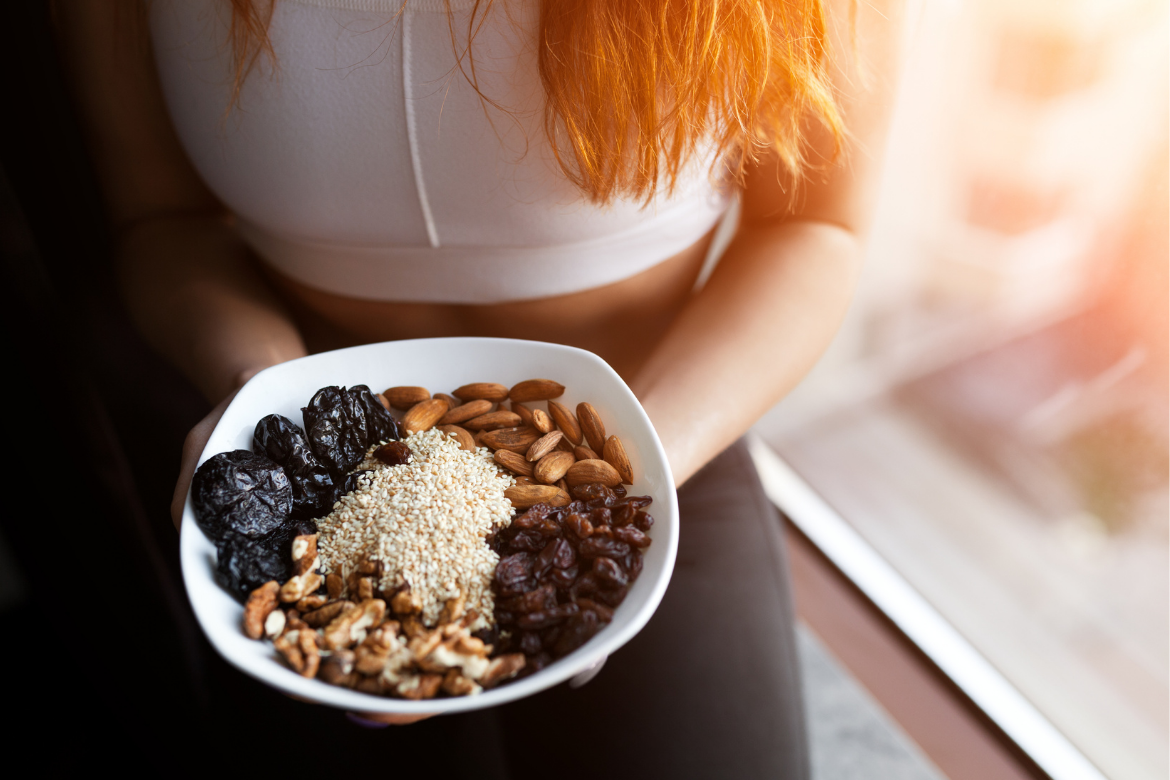
Many people get their protein from meat, Alrutz says, and that can be good — especially if you’re choosing leaner meats like chicken. But our brains get a boost from fish and also from nuts, because these foods offer healthy fats including omega-3 and omega-6 fatty acids. Healthy fats have anti-inflammatory properties, and “help our moods, help our brains function and think more clearly.” Along with eating fresh or roasted nuts, she also recommends buying nuts in bulk and blending them to make your own nut butters. Beans of all kinds are also great choices.
Make better snacks
Leafy greens are great for brain health. If your kids aren’t big fans of cooked greens or salads, try making homemade kale chips. Lots of easy recipes are available online — simply spread kale on a roasting pan and sprinkle with a bit of salt or any spices your family likes, then roast at low heat until kale leaves are crunchy. You can also make great brain-healthy snacks with chickpeas (also known as garbanzos). Dry them with a paper towel, then toss them with just a bit of oil and spread them on a baking sheet. Sprinkle with salt and pepper or any seasonings you like, then roast them in the oven at 425 degrees until crispy, about 30 minutes. “These types of foods will give you tons of fiber,” Alrutz says. They’re great protein sources that are low in saturated fats and “high in your poly- and mono-unsaturated fats that are very good for your brain.”
What Is the Difference Between Stress and Anxiety?
The difference between stress and anxiety is that stress is a response to a known cause, while anxiety often persists even when there is no clear threat. Stress comes from something specific, like a deadline, an argument, or a financial problem. Anxiety is the feeling of worry or dread that lingers even after the stressor is gone, or sometimes appears without a trigger at all.
Both stress and anxiety affect your eating habits. Stress tends to cause short bursts of appetite changes, while anxiety can create ongoing patterns of under-eating, overeating, or avoiding meals altogether. According to the National Alliance on Mental Illness, anxiety disorders affect about 19.1% of U.S. adults each year, making them the most common mental health condition in the country.
What you eat can influence both. Skipping meals, loading up on caffeine, or relying on processed foods can make both stress and anxiety feel worse. On the other hand, steady meals with balanced nutrients help your brain produce the chemicals it needs to stay calm and focused. Nearly 90% of the body’s serotonin, a chemical that helps regulate mood, is produced in the gut, according to research from the California Institute of Technology.
If you find that worry or tension is affecting your eating patterns and your daily life, anxiety therapy can help you manage the emotional side while you work on the nutritional side.
Stay hydrated
When we get dehydrated, it impacts our brain function and mood regulation. But if we drink plenty of water, research shows that we can decrease our risk of depression and anxiety. Rather than relying on sweetened soft drinks, make water a central part of your day. And take time to notice if you’re feeling thirsty.
What Does Anxiety Feel Like Physically?
Anxiety feels physically like a racing heart, tight chest, upset stomach, muscle tension, headaches, or a general feeling of restlessness that will not go away. Many people do not realize that what they think is a stomach problem, chronic fatigue, or unexplained body pain is actually anxiety showing up in their body.
The gut is one of the first places anxiety shows up. Nausea, bloating, loss of appetite, or the opposite, constant hunger, are all common physical responses to anxiety. This happens because the gut and the brain are directly connected through what scientists call the gut-brain axis. When your brain senses danger, it sends signals to your gut, and when your gut is out of balance, it sends signals right back to your brain.
According to the National Institute of Mental Health, about 1 in 3 U.S. adults will experience an anxiety disorder at some point in their lives. Many of those people will notice physical symptoms long before they recognize the emotional ones.
This is why food choices matter so much when anxiety is involved. What you put in your stomach directly affects how your gut communicates with your brain. A practice that combines mental health support with wellness counseling can help you address both the emotional and physical sides of how you feel.
Keep sugar limited
Although sugar can make us feel better in the short run, “regulating your blood sugar levels is another really important idea,” she says. “Your insulin resistance also has an effect on your stress levels.” Eating sugary foods can temporarily drive blood sugar levels up, but invariably those levels will drop. That affects adults and kids physically and mentally. “With low blood sugar, you might become a little bit more irritable or you might not be able to concentrate,” and that can impact overall stress levels in a household.
Try new foods and new recipes
“Variety is really important,” Alrutz says, “because every food that we consume provides us with a different vitamin or a different mineral or some type of benefit to our system.” Beyond restricting your vitamin intake, eating the same foods all the time can get boring, making mealtime feel even more like a chore and adding stress. So try looking online for healthy recipes that will be easy to make and appealing to you and your kids. Bonus: If kids get to choose new recipes and help shop for ingredients, that can help get them excited about cooking and make mealtime less stressful for the whole family.
How to Treat Anxiety Naturally
To treat anxiety naturally, focus on a combination of consistent nutrition, regular physical movement, quality sleep, and mindfulness or breathing practices. No single habit will eliminate anxiety on its own, but when these habits work together, they can reduce symptoms significantly.
Nutrition plays a larger role than most people realize. Foods rich in protein, complex carbohydrates, and omega-3 fatty acids support steady blood sugar and help the brain produce mood-regulating chemicals like serotonin and dopamine. Skipping meals or eating mostly processed foods does the opposite, creating spikes and crashes that can mimic or worsen anxiety symptoms.
Movement is another powerful tool. According to the Anxiety and Depression Association of America, regular exercise has been shown to reduce symptoms of anxiety and depression. Even a 30-minute walk several times a week can make a noticeable difference in how you feel.
Sleep, hydration, and reducing caffeine also play important roles. When these pieces come together with professional guidance, the results are stronger and longer-lasting. A holistic counselor can help you build a complete plan that addresses your mental health from every angle, not just one.
Eat consciously
So often people grab a meal on the run. Or we’re busy working or doing something else while eating. Alrutz says that if we slow down even for a few minutes and notice our meal, we’ll feel better physically and mentally. “A lot of people tend to overlook mealtimes because it kind of takes a backseat. We have busy lives, right? We have a lot going on. But, you know, we need the fuel. We need that energy to make sure that we’re mentally stable and managing our stress levels.”
Kali is looking forward to helping you achieve your goals. Whether it is something you have been wanting to do for a while, or recently decided to seek professional assistance, she is here for you. With personalized nutrition therapy, guidance, and support to help you throughout your journey to better health and overall wellness, Kali will be there every step of the way to help you succeed.
Is It Better to Eat 3 Meals a Day or 1?
It is better to eat 3 meals a day than 1 when it comes to supporting your mental health. Eating one large meal and going long stretches without food causes blood sugar to drop, which can lead to irritability, brain fog, difficulty concentrating, and increased anxiety.
Your brain uses about 20% of the calories you consume each day, according to research published by the National Academy of Sciences. That means your brain needs a steady supply of fuel throughout the day to function well. When you skip meals or eat only once, your brain runs on fumes for most of the day, and your mood suffers as a result.
Eating at regular, predictable intervals helps keep blood sugar stable, which supports more consistent energy, clearer thinking, and a calmer emotional state. This does not mean you need to eat large meals. Smaller, balanced meals and snacks spread throughout the day work just as well.
If you are not sure how to build an eating routine that supports both your body and your mood, working with a registered dietitian can help you create a plan that fits your life and your goals.
Kali provides in-person therapy in our South Hills location. If you’re interested in working with Kali, you can reach us at 412-322-2129 or email us at info@counselingwellnesspgh.com to get started. Or contact us here.
This story was originally published by Kidsburgh.org, the nonprofit news website where families in the Pittsburgh region can discover local resources and expert advice on raising healthy, thriving children in southwestern PA. You can sign up for their free newsletter here.
Related Posts
Anti-Inflammatory Diet – Including Meal Plan by Licensed Nutrition Counselor, Liz Mckinney, CNS, LDN.
August 7, 2018
Anti-Inflammatory Diet for wellness, food as therapy. Anti-Inflammatory Diet,...
What is an Anti-Diet Dietitian
July 16, 2019
First let’s talk about what being a dietitian is before what address what being...
